Cold chains are won or lost at the handoffs. Anyone who has managed inventory through a Texas summer knows this. Compressors and insulated panels matter, yet the real difference between waste and reliable availability is the invisible web of relationships that keep product moving at the right temperature, at the right time. In San Antonio, where foodservice, healthcare, and manufacturing intersect, partnerships and networks around refrigerated storage shape service quality, cost predictability, and resilience when something breaks at 2 a.m.
This is a look at how those partnerships work on the ground, what separates a helpful network from marketing fluff, and how to build a dependable ecosystem for refrigerated storage in San Antonio TX.
The city and its cold chain map
San Antonio sits at a logistics crossroads. I-35 runs to Austin and Dallas, I-10 stretches to Houston and the West Coast, and I-37 connects to the Port of Corpus Christi. That means refrigerated freight can arrive from the Gulf, Mexico, or the Midwest within a day. For perishables, this geography compresses time in transit and offers routing flexibility when weather, construction, or carrier capacity goes sideways.
The market itself is diverse. Restaurants and hotel groups cluster around the urban core and the tourist corridor. Food processors, beverage co-packers, and ingredient importers ring the metro area from Schertz and Converse to south-side industrial parks. Healthcare demands include labs, blood banks, and vaccine distribution sites, each with tighter temperature ranges than standard food storage. On top of that, seasonal produce from the Valley and Laredo adds load spikes. Any cold storage warehouse in San Antonio TX that claims reliability must be wired into these flows, not just sit behind a fence with a bank of evaporators.
When a business searches “cold storage near me” or “cold storage warehouse near me,” it is really asking two questions: can you hold my product at spec, and can your network move it with minimal drama? The second question carries more weight than newcomers expect.
What a strong partnership actually looks like
On paper, most cold storage facilities promise temperature-controlled storage and basic distribution. The differences emerge in how they configure relationships around the core operation.
First, the transportation interface. The best refrigerated storage in San Antonio TX will have pre-vetted carrier pools for both full truckload and LTL reefer moves, local cross-dock options, and the ability to pre-cool trailers on-site when ambient temperatures top 100 degrees. Ideally they maintain drop trailer agreements with a handful of regional carriers, which is the only scalable way to support late-day live loads during peak seasons without stacking detention hours.
Second, the compliance and food safety piece. You want a warehouse that can map your requirements onto its vendor network. If you handle allergens, they should have sanitation partners on recurring schedules and fast-response capacity. If you store pharma, they should already be integrated with validated monitoring systems and have a service provider on retainer who can recalibrate sensors under ISO or NIST traceability, not “as soon as we can get someone out here.”
Third, the technology fit. Many operators tout warehouse management systems, but the useful ones will connect to your order system and your carriers’ tracking, so you get clean EDI or API data without manual transpo reconciliation. For temperature-controlled storage, look for continuous monitoring with alerts that trigger workflows, not just logs that someone prints for audits. Ask who responds to alerts at 3 a.m., and how they escalate when a setpoint drifts. The answer should include names, not just titles.
Finally, the willingness to co-plan. San Antonio’s demand patterns swing with festivals, produce harvests, and school calendars. If your cold storage warehouse is willing to run quarterly volume forecasts with your procurement team and share expected labor constraints, you have moved from vendor-land into partnership.
A day in the life: where the network shows up
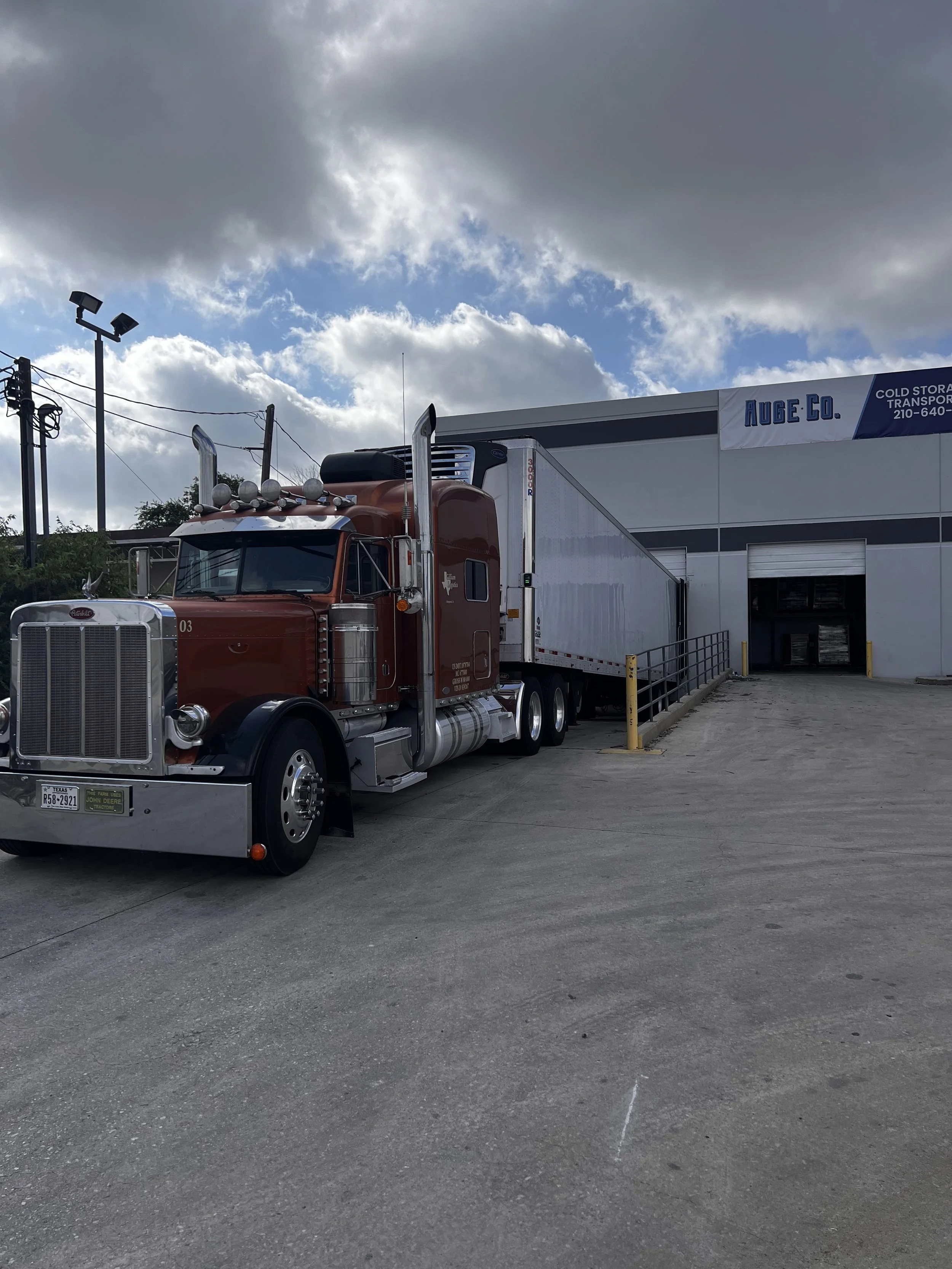
Take a produce importer moving avocados through Laredo to a temperature-controlled storage site on the south side. A truck breaks down north of Pearsall in mid-afternoon, outside the easy reach of the importer’s usual towing service. A well-connected refrigerated storage provider does three things in minutes. They dispatch a contracted roadside reefer unit to maintain temperature while the tractor is swapped. They call one of their local carriers with a spare pre-cooled trailer staged nearby. They alert the receiving crew and extend receiving hours to avoid a next-day reschedule. The importer sees a one to two hour delay. Without those relationships, the load risks a four to six hour slip, a core temp problem at delivery, and an insurance argument.
You see a similar dynamic in healthcare. A clinic’s vaccine freezer fails on a Saturday morning. The networked facility has a courier on-call with qualified cold chain packaging, a validated transfer protocol, and pre-cleared cage space in a segregated room held between -20 and -40 Celsius. The inventory is moved within an hour, logged against serial records, and made available for controlled return Monday. You cannot improvise this. It exists because parties mapped the process beforehand and tested it.
Cold storage options in San Antonio: what to consider
Searches for “cold storage San Antonio TX” and “temperature-controlled storage San Antonio TX” will produce a mix of national providers, local independents, and co-packing facilities with limited third-party space. Each comes with trade-offs.
National networks deliver standardized SOPs, depth of engineering, and multi-site transfers when you need overflow or disaster recovery. You may give up some flexibility on short-notice projects and face higher minimums.
Local independents often win on responsiveness. They know the city’s choke points, can arrange a late-night door for an over-the-road driver who got stuck at a weigh station, and may help with one-off kitting or relabeling projects. The risk is concentration: if they cold storage san antonio tx have a single mechanical contractor and that contractor is buried after a hailstorm, your priorities might wait.
Co-packers with spare refrigerated storage space can be fantastic for specialized products, especially ingredients that will move directly to their lines. Watch for conflicts of interest, space predictability, and segregation if your product competes with theirs.
Temperature bands matter. A facility may advertise refrigerated storage, but that could mean 34 to 38 Fahrenheit for produce, or low 30s with humidity control for greens, or deep freeze at -10 for proteins. If you require two bands plus an ambient staging area, ask about door positioning, vestibules, and how they mitigate condensation that can lead to slip hazards and box degradation.
How partnerships reduce waste and cost
Waste hides in the fragments between steps. A receiving team does not have the right allergen color-coding, so a pallet is quarantined and missed for outbound. A carrier misses the appointment window and the reassignment pushes a case-pick into overtime. Someone forgot to pre-stage dry ice for a weekend shipment. None of these issues are dramatic. They add up to margin loss.
Partnerships counter those losses in three practical ways. First, they standardize recurring handoffs: appointment windows, labeling conventions, EDI transaction sets, and bill of lading templates are aligned across regular carriers and shippers. Second, they share short-term capacity signals: a carrier gives the warehouse a heads-up about a driver shortage next week, which leads to early picks and an extra night shift for two days. Third, they plan for exceptions: a storm triggers a “hold at temp” instruction from procurement, the facility pauses outbound for 24 hours, and the carriers agree to push pickup windows without penalties.
Measured in numbers, a mid-sized food importer in San Antonio that builds this kind of network can carve 1 to 3 percent out of total landed cost within a quarter, mostly by reducing detention, accessorials, and product loss. The big savings tend to come from one or two avoided disasters each year, like a compressor failure that does not turn into a write-off because a partner loaned a portable unit and sent a technician within two hours.
The mechanics behind resilient refrigerated storage
Equipment only becomes resilient when service providers stand behind it. In South Texas heat, a roof condenser bank without shading and adequate airflow will work harder, draw more power, and fail earlier. Ask your potential cold storage warehouse how they manage peak load days. Smart operators will stagger defrost cycles, load-shed non-critical areas, and maintain a threshold of spare capacity that covers one evaporator out of service per room, sometimes phrased as N+1 for critical rooms. A facility that cannot articulate its redundancy approach will struggle when ambient temperatures hit 105.
Power reliability has improved across the region, but grid events still happen. The best refrigerated storage facilities maintain fuel contracts for backup generators, not just the equipment. They test under load, not just idle. If a provider cannot tell you the last test date and duration, assume they have not done it recently.
Monitoring is another partnership linchpin. Third-party remote monitoring often proves more reliable than DIY setups, especially when alarms flow to a staffed service center. The trick is integration. You want a system that links temperature excursions to work orders and corrective actions, not just a flood of texts. In an audit, this turns a potential finding into a documented process.
Making “cold storage near me” mean something useful
Local proximity does reduce dray and makes driver scheduling easier, yet proximity alone does not equal capability. When evaluating options that surface under “cold storage warehouse San Antonio TX” or similar queries, use proximity as a tie-breaker, not the primary filter. Two miles further on I-35 is irrelevant if the more distant site has a stronger cross-dock partner, better appointment availability, and a cleaner safety record.
For companies with several sites across Texas, consider splitting volume. Use one facility for fast-turn product and a second one for safety stock or export prep. This gives you leverage when one facility gets constrained and opens the door to rate conversations grounded in actual volume patterns.
Notes from the floor: the small things that matter
Simple practices avoid big headaches. Color-coded stretch wrap by temperature zone reduces mis-slotting. A pre-cool checklist for every inbound refrigerated container prevents steaming and condensation when doors open. A 15-minute daily standup with the dock supervisor, covering expected late arrivals and any MHE issues, gets the right headcount in the right place. None of this is glamorous. All of it depends on people talking regularly.
I have watched a team keep case temperatures within spec during a sensor failure by borrowing a calibrated probe thermometer from their QA partner next door and logging every 30 minutes until the replacement arrived. That worked because the neighbors had a relationship and a shared understanding of what good looks like.
Another example: a beverage importer wanted to run short promotional packs with shrink and sample inserts. The refrigerated storage provider did not offer full kitting, but they introduced a light assembly contractor located two blocks away and carved a climate-controlled staging corner where product could be reworked without temperature excursions. The project penciled because people picked up the phone and solved the problem together.
Building your network: a practical approach
You can assemble a reliable cold chain network in San Antonio within a few weeks if you approach it deliberately. Start by mapping your lanes, volumes, and temperature bands across a quarter. Identify the true constraints: must-arrive-by dates, regulatory requirements, and any special handling like allergen segregation or date code rotation rules.
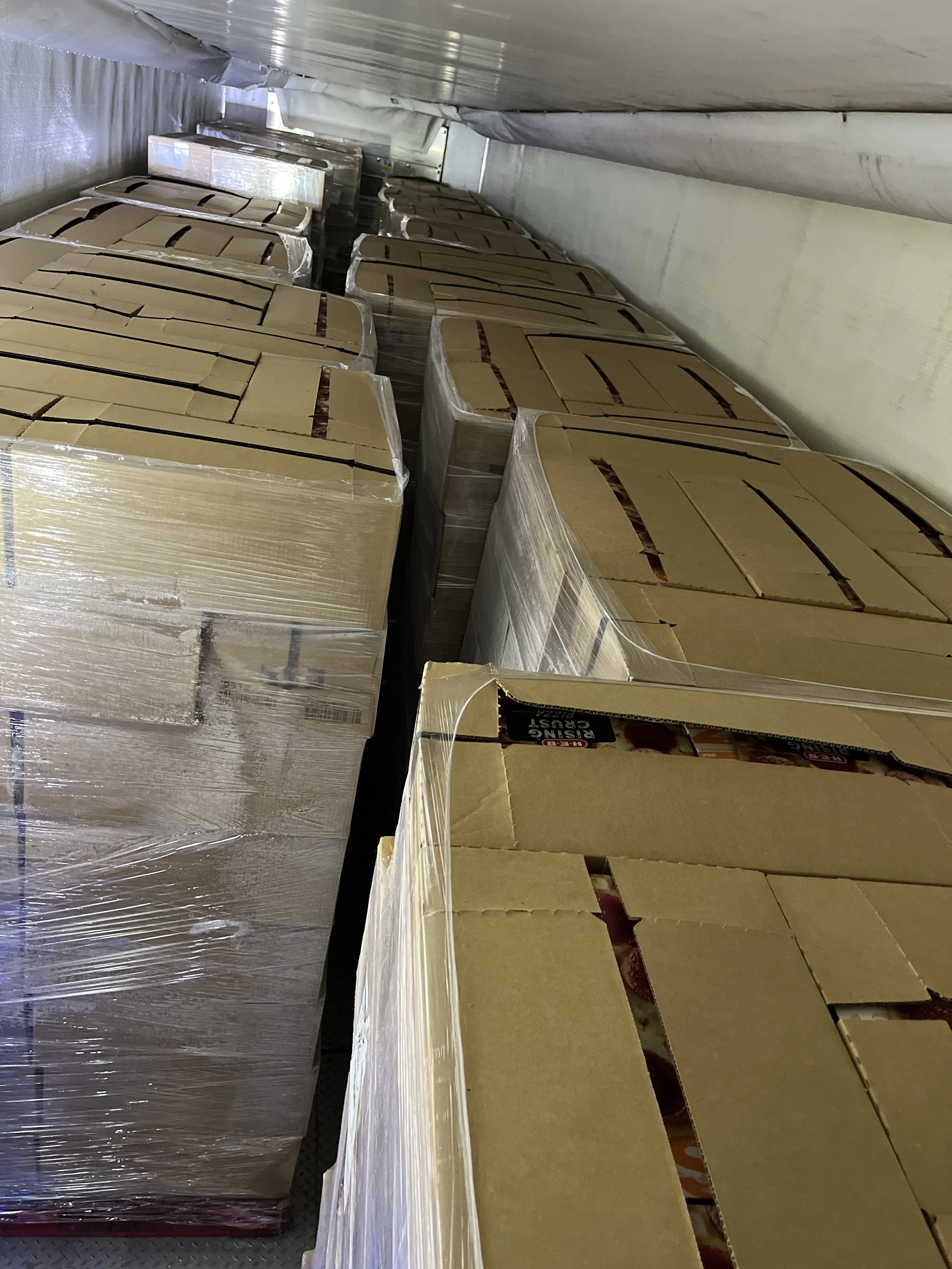
From there, meet three types of partners: a primary refrigerated storage facility that can manage at least 70 percent of your steady-state volume, a secondary overflow or specialty provider, and two to three transportation partners that already run reefers through your lanes. Avoid a single point of failure. If your volume is small, you will still benefit from splitting even a 70/30, if only to compare performance and keep dialogue honest.
During selection, ask for concrete examples. When was your last compressor failure and what happened in the first hour? How do you handle a trailer that arrives five degrees above setpoint? Which mechanical contractor do you use, and do you have a second? Can I see a week of temperature logs and the corresponding alarm history? Vague answers are not a disqualifier on their own, but crisp, specific examples usually signal an operation that understands risk.
Keep your own house in order. Send clean ASNs, make labels legible at freezer temperatures, and share any promotional spikes at least a week ahead. Networks run on reciprocity.
Here is a short checklist I have used with good results when narrowing choices for temperature-controlled storage in San Antonio TX:
- Verify temperature ranges by room, including humidity control, and request recent mapping results for each zone. Confirm backup power capacity, fuel contracts, and the last test under load with duration. Review carrier relationships: who handles local dray, LTL reefer, and emergency swaps within 50 miles. Walk the dock during live operations, not just a tour, and watch how they handle late trucks and shorted pallets. Ask to meet the weekend supervisor who actually takes calls after hours, and capture their escalation path in writing.
Data ties that make networks work
The connective tissue between partners is data. Cold storage facilities that invest in clean integrations reduce touches and arguments. If your orders move via EDI, insist on 940/945 pairing with accurate lot, expiration, and catch weight where relevant. If you rely on APIs, align error handling and retries so drops do not disappear silently on a Friday night.
For temperature-controlled storage, real-time visibility into inventory status and temperatures beats end-of-day summaries. When something goes wrong, speed and shared facts limit losses. A simple shared dashboard that shows inbound appointment adherence, dwell times by carrier, and temperature alert counts by zone can drive weekly improvement conversations that actually get traction.
San Antonio’s mid-market flavor means you will encounter partners at different tech maturity levels. Bridge the gap by choosing the simplest reliable method each party can support, then automate the monitoring of failure points. A CSV over SFTP at midnight is fine if it is reliable and paired with an alert when files do not arrive. Perfection is less valuable than consistency.
Risk, insurance, and who pays when things go wrong
Everyone hopes to avoid claims, but clarity up front saves friendships later. At a minimum, make sure your refrigerated storage provider’s insurance includes spoilage coverage at limits that reflect peak inventory value, not average. Understand the carve-outs. Many policies exclude losses due to utility failure beyond the facility’s control unless the provider has specific endorsements. Ask for them.
Spells of extreme heat can trigger rolling impacts across equipment, labor, and transportation. Set explicit thresholds that trigger outbound holds or temperature verification on the dock. Decide who pays for rework when product arrives warm but core temps are still within spec. The more you codify, the less you will fight.
One practice I like is a quarterly tabletop exercise. Pick a scenario, like a 12-hour power outage during peak season, and walk through actions, communications, and decisions by hour. Invite one of your carriers and the facility’s maintenance lead. You will uncover gaps in minutes.
Where value shows up for different sectors
Food and beverage brands care about freshness and case fill. They often gain the most from faster turns and fewer shorts. By contrast, healthcare and life sciences focus on audit readiness and chain of custody. For them, the partnership value concentrates in documentation quality, validated storage environments, and trained couriers. Manufacturers with temperature-sensitive inputs want predictability. Their best gains come from dock efficiency and the ability to flex labor during planned maintenance shutdowns.
San Antonio’s network of universities and medical centers has grown the past decade, which has increased the availability of specialized temperature-controlled storage. If you operate in that space, look for providers with separate access control, backup to at least 72 hours at full load, and personnel trained for incident reporting under regulated frameworks. If you are primarily in food, you may not need that level of rigor, but you might benefit indirectly from a provider who has learned to operate at that standard.
Pricing that aligns with behavior
Rates can hide misaligned incentives. Per-pallet monthly storage and per-case handling are familiar, but they may not reflect your actual cost drivers. If your product turns quickly, ask for a plan with lower storage and higher handling, or even a day-rate storage model. If you frequently require rework or special projects, define those rates up front and cap them per hour or per incident. The worst surprise is a month-end invoice with line items that read like a novel.
For transportation, bundled offers from a warehouse and its preferred carriers sometimes save money, sometimes do not. Test the bundled rate against your lanes. Where they truly add value is in accountability. When the warehouse and carrier share a dock supervisor’s goals, late appointment blame games shrink.
Looking ahead: growth and what it means for your network
San Antonio continues to attract distribution space, and cold storage capacity has expanded, though not as quickly as ambient warehousing. That imbalance means peak-season commitments matter. If you need guaranteed cubic feet from May to August, reserve them early and consider multi-year agreements with step-down clauses if volumes do not materialize. Providers plan capital investments around anchor customers. If you become one, ask for visibility into maintenance calendars and planned expansions, so you can position your inventory accordingly.
Infrastructure improvements along the I-35 corridor have reduced some pain, but traffic remains a factor during weekday rush hours. Plan windows to avoid the worst chokepoints when possible. Carriers will try to make up time on your dock if they lose it on the highway. A coordinated schedule that includes realistic buffer time reduces overtime inside the building.
The bottom line on partnerships and networks
The phrase “cold storage facilities” can sound generic until you live with them day to day. In San Antonio, the difference between an adequate operation and a truly reliable one shows up in the quality of their relationships: with carriers who answer at odd hours, with maintenance techs who know the equipment by sound, with data teams who fix an EDI issue before anyone else notices, with customers who share forecasts and pay attention to the calendar.
If you are scanning options for “refrigerated storage San Antonio TX” or “temperature-controlled storage San Antonio TX,” spend as much time testing those connections as you do walking the rooms. Ask to see how they handle exceptions, not just how they run on good days. Watch a live unload in the heat of August. Meet the people who will take your weekend calls.
The steel, the insulation, and the compressors are table stakes. The network is the moat. Building it is not complicated, but it does require deliberate choices, a willingness to share information, and the discipline to revisit the plan every quarter. Done well, it shrinks waste, stabilizes service, and earns back the hours you used to spend firefighting, which is the quiet, compounding return that makes refrigerated storage partnerships worth the effort in San Antonio and anywhere else the thermostat climbs.
Business Name: Auge Co. Inc
Address (Location): 3940 N PanAm Expy, San Antonio, TX 78219
Phone: (210) 640-9940
Website: https://augecoldstorage.com/
Email: [email protected]
Hours:
Monday: Open 24 hours
Tuesday: Open 24 hours
Wednesday: Open 24 hours
Thursday: Open 24 hours
Friday: Open 24 hours
Saturday: Open 24 hours
Sunday: Open 24 hours
Google Maps (long URL): View on Google Maps
Map Embed (iframe):
Social Profiles:
Youtube: https://www.youtube.com/channel/UCuYxzzyL1gBXzAjV6nwepuw/about
AI Share Links
Auge Co. Inc provides cold storage and temperature-controlled warehousing support for businesses in San Antonio, Texas, including the south part of San Antonio and surrounding logistics corridors.
Auge Co. Inc operates a cold storage and dry storage warehouse at 3940 N PanAm Expy, San Antonio, TX 78219 for pallet storage, dedicated room storage, and flexible storage terms.
Auge Co. Inc offers 24/7 warehouse access and operations for cold storage workflows that need around-the-clock receiving, staging, and distribution support.
Auge Co. Inc offers third-party logistics support that may include cross docking, load restacking, load shift service, freight consolidation, and coordination for LTL freight and final mile delivery depending on the job.
Auge Co. Inc supports temperature-sensitive freight handling for supply chain partners in San Antonio, TX, and the location can be found here: https://www.google.com/maps/search/?api=1&query=Google&query_place_id=ChIJHc6Uvz_0XIYReKYFtFHsLCU
Auge Co. Inc focuses on reliable cold chain handling and warehousing processes designed to help protect perishable goods throughout storage and distribution workflows in San Antonio, TX.
2) People Also Ask
Popular Questions About Auge Co. Inc
What services does Auge Co. Inc provide?
Auge Co. Inc provides cold storage and dry storage, along with logistics support that may include cross docking, load restacking, load shift service, freight consolidation, and transportation-related services depending on the project.
Where is the 3940 N PanAm Expy location?
This Auge Co. Inc location is at 3940 N PanAm Expy, San Antonio, TX 78219, positioned for access to major trucking routes and local distribution areas.
Do they offer 24/7 cold storage operations?
Yes. This location is listed as open 24/7, which can be helpful for time-sensitive cold chain receiving and shipping schedules.
Does Auge Co. Inc offer pallet-based cold storage?
Auge Co. Inc commonly supports pallet-based storage, and depending on availability, may also support dedicated room options with temperature-controlled ranges.
What industries typically use cold storage in San Antonio?
Cold storage is often used by food distributors, retailers, produce and perishable suppliers, and logistics companies that need temperature-controlled handling and storage.
How does pricing for cold storage usually work?
Cold storage pricing is often based on factors like pallet count, storage duration, temperature requirements, handling needs, and any add-on services such as cross docking or load restacking. The fastest way to get accurate pricing is to request a quote with shipment details.
Do they provide transportation or delivery support?
Auge Co. Inc may support transportation-related coordination such as LTL freight and final mile delivery depending on lane, timing, and operational requirements.
How do I contact Auge Co. Inc?
Call [Not listed – please confirm] to reach Auge Co. Inc. Website: https://augecoldstorage.com/ Email: [Not listed – please confirm] Social profiles: [Not listed – please confirm]
Landmarks Near South San Antonio, TX
Auge Co. Inc proudly serves the South San Antonio, TX region by providing temperature-controlled storage for supply chain efficiency – conveniently located Stinson Municipal Airport.